
Train hard
Recover harder
Recover Right: Why Recovery Matters More Than You Think
Recovery isn’t just sitting on the couch watching Netflix (though sometimes it can be!). It’s a deliberate practice that deserves as much attention as your hardest training sessions. Let me explain why recovery could be the game-changing element your fitness journey has been missing.
What Is Recovery & Why It Matters
Recovery is the process that creates an internal environment for your body to rebuild and remodel tissues to be bigger, stronger, and faster. Think of it as the quiet construction crew that comes in after hours to repair and upgrade your body’s infrastructure.
This recovery state requires several key elements:
- Circulating amino acids (the building blocks floating in your bloodstream, ready to repair damaged tissue)
- Full glycogen stores (your body’s energy reservoirs, like a fully charged battery ready to power your next workout)
- Anabolic hormones (your body’s growth and repair messengers)
- High parasympathetic nervous system function (your “rest and digest” mode, like shifting your body from emergency response to maintenance mode)
- Low stress hormones
- Good blood flow
Without proper recovery, you’re essentially tearing down your house without giving the builders time to reinforce the structure! Remember, progress doesn’t happen during your workouts—it happens after. Your muscles don’t grow during the lift – they grow during the rest.
How to Enhance Your Recovery
1. Sleep: Your Ultimate Recovery Tool
Quality sleep is non-negotiable for recovery. Sleep is when your body does its most critical repair work. During deep sleep phases, your body releases growth hormone, repairs tissues, and consolidates neuromuscular connections. Sleep quality affects everything from hormone balance to inflammation levels to cognitive function – all crucial elements of athletic recovery.
Most people need 7-9 hours of consistent, quality sleep. Research shows that even small sleep deficits (1-2 hours less than needed) can reduce reaction time, decrease training adaptations, and increase injury risk. Sleep is literally your body’s built-in recovery superpower.
Sleep Optimization for Athletes:
- Consistent Schedule: Go to bed and wake up at the same time daily, even on weekends. This regulates your circadian rhythm, improving sleep quality and hormonal balance.
- Sleep Environment: Keep your bedroom cool (65-68°F/18-20°C), dark, and quiet. Consider blackout curtains and white noise if needed.
- Pre-Sleep Routine: Create a 30-60 minute wind-down routine. Dim lights, avoid screens, and engage in calming activities like reading, gentle stretching, or meditation.
- Nutrition Timing: Finish large meals 2-3 hours before bed. If needed, a small protein-rich snack before sleep can support overnight muscle repair without disrupting sleep.
- Caffeine and Alcohol Awareness: Both significantly impact sleep quality. Avoid caffeine 8+ hours before bed and limit alcohol in general but before bedtime specifically, which might help you fall asleep but drastically reduces sleep quality.
- Manage Training Timing: High-intensity workouts elevate core temperature and stress hormones. When possible, schedule these sessions at least 3 hours before bedtime. Moderate exercise is possible until 1 hour before bed time (3).
- Supplement Wisely: Consider magnesium (200-400mg), particularly magnesium glycinate or threonate, which can support muscle relaxation and sleep quality.
- Mental Download: Use the evening journaling technique from our 6 Tips for Better Sleep blog to clear mental clutter before bed.
For more specific strategies on falling and staying asleep, check out our blog where we cover techniques like evening journaling, affirmations, and mindful approaches to nighttime wakefulness.
2. Nutrition: Fuel Your Recovery
What you put into your body after training dramatically impacts how well and how quickly you recover. The right nutrients at the right time can accelerate tissue repair, replenish energy stores, and optimize hormone production.
Protein Intake
Protein provides the building blocks (amino acids) your body needs to repair and grow tissues. The essential amino acid leucine, in particular, plays a critical role in muscle protein synthesis. High-density protein sources like lean meats, fish, and eggs provide ample amounts of leucine (aim for 700-3000mg), though plant-based eaters can still get enough through careful nutrition planning. For specific protein recommendations and meal timing strategies, see Protein Power.
Creatine
This supplement has robust scientific backing with over 66 studies showing 12-20% increases in power output. Creatine helps improve performance, enhance cellular hydration, and reduce fatigue (2). For most people 3-5 grams daily is sufficient.
Hydration & Electrolytes
Drinking enough water supports muscle repair, nutrient transport, and waste removal after training. It helps regulate body temperature, joint lubrication, and blood flow. Dehydration slows recovery, increases fatigue, and raises cortisol levels. Simply put, no water = slower healing and worse performance.
Your nervous system communicates through electrical signals generated by specific ions. Without enough electrolytes (salt, potassium, and magnesium) your nerve-to-muscle communication becomes compromised. Your nutrient packed meals often provide sufficient electrolytes. No need to supplement this, with the exception for endurance athletes who train 90+ minutes in hot environments (1, 2).
3. Movement: Strategic Recovery in Motion
Counterintuitive as it may seem, the right kind of movement can accelerate recovery by promoting blood flow to damaged tissues. Remember, a “rest day” doesn’t mean complete inactivity – it means moving for a minimum of 30-60 minutes through gentler activities:
- Walking
- Cycling
- Yoga (especially restorative or yin styles)
- Swimming
- Gentle mobility flows
High Performance Recovery Training
A 30-45 minute recovery workout can be transformative (1). The key elements include:
- Breathing techniques (nose breathing throughout): 2 sets of 5-10 breaths, for example 3 counts inhale in and 6-8 counts exhale.
- Dynamic Stretches, for example 3 exercises for 2 rounds of 10 reps of flowing through positions like a World’s Greatest Stretch, Sidelying Windmill Stretch and Yoga Push Up.
- Concentric lifts, skipping the eccentric phase, for example picking up a deadlift and dropping the bar, push-up from the floor, using your knees to get down, or only pulling yourself up in chin ups and letting yourself fall, and slam balls.
- 20-40 min Light intensity cardio (Zone 2 training)
- Self massage and myofascial release (see below)
I personally often rotate between 3-5 minutes on different cardio machines for a total of 30-40 minutes while strictly nose breathing and listening to a podcast. The energy release afterwards feels amazing! While it can be tempting to skip this when your body feels beaten up, this strategic movement may be exactly what you need.
Aim for 1-2 recovery-focused movement sessions per week – like a long walk or a high performance recovery training – spaced between your more intense training days.
4. Self-Massage & Myofascial Release
These techniques can help reduce muscle tension and promote circulation:
- Foam rolling (spend 1-2 minutes per muscle group)
- Massage guns (start with lighter settings)
- Lacrosse ball for targeted pressure points
- Professional massage therapy (monthly if budget allows)
What NOT To Do for Recovery
1. Ice Baths Too Soon After Strength Training
While ice baths reduce inflammation and soreness, using them immediately after resistance training can interfere with muscle repair pathways like mTOR. They essentially short-circuit the improvements you’re trying to create (2).
Special Note for Women: Female athletes may benefit from modified cold exposure. Instead of ice baths, consider a cold plunge in water at 15-16°C (59-61°F). This temperature range provides recovery benefits without overly suppressing the hormonal and metabolic responses that are particularly important for women’s adaptations to training. Women’s bodies often respond differently to extreme cold than men’s, and this slightly milder temperature can offer a better balance of recovery benefits without compromising training adaptations (3).
2. Anti-Inflammatory Medications
Non-steroidal anti-inflammatory drugs (NSAIDs) like ibuprofen (Advil, Motrin), naproxen (Aleve), and aspirin can prevent many of the gains in endurance, strength, and size that exercise creates. Avoid taking these within four hours before or after exercise if possible.
3. Excessive Antioxidant Supplements
Timing matters with antioxidants. While antioxidant-rich foods are generally healthy, taking concentrated antioxidant supplements (like high-dose Vitamin C or E) immediately after training can blunt the adaptive stress response. The exercise-induced oxidative stress actually serves as a necessary signal for your body to adapt and grow stronger. By neutralizing this stress too quickly with supplements, you may inadvertently reduce the training benefit. Instead, focus on whole food sources of antioxidants and time any supplements away from your training window (1, 3).
How to Know If You’re Recovered
Before jumping into your next workout, consider these simple tests to assess your recovery status:
1. Heart Rate Variability (HRV) & Resting Heart Rate
Technology has made recovery tracking more accessible than ever. Devices like WHOOP, Apple Watch, and Garmin watches can track your HRV (the variation in time between each heartbeat) and resting heart rate – both excellent indicators of recovery status.
Higher HRV generally indicates better recovery and readiness to train, while a resting heart rate that’s 5+ beats above your normal baseline suggests your body is still working hard to recover. These metrics provide objective data to help you make informed decisions about when to push and when to prioritize recovery.
2. Grip Strength Test
Grip strength is more than just how hard you can squeeze—it’s like a pressure gauge for your nervous system. According to Dr. Andrew Huberman, grip strength reflects the communication between your upper motor neurons (in your brain and spinal cord) and lower motor neurons (that connect to your muscles). When that communication is strong, your body can generate isolated force effectively (2).
If you’ve been sleeping poorly, training intensely, or simply under stress, that pathway can become less efficient. And that shows up in your grip. On a well-recovered day, you might be able to squeeze a grip tool shut with ease—closing the “hole in the donut,” as Huberman puts it. But after a few rough days, you might feel weaker, even without having trained your grip directly. That’s your nervous system still trying to reset and rewire.
You can use a grip strength tool or even squeeze down on a floor scale to track how much force you can generate. Try it first thing in the morning, before caffeine or food, and compare it to your personal baseline on a well-rested day. A consistent drop of 10–20% is a red flag—your system is still recovering.
In short, your grip isn’t just about hand strength—it’s your nervous system giving you real-time feedback. Use it as a daily check-in to see how well you’re bouncing back.
3. Carbon Dioxide Tolerance Test
This zero-cost assessment is gaining popularity among elite athletes:
- Take 4 deep breaths through your nose
- Take a 5th deep breath, filling your lungs completely
- Exhale as slowly as possible through your mouth (as if through a tiny straw)
- Time how long it takes until you can’t exhale any more air
Your results indicate your recovery state:
- Under 25 seconds: Not recovered
- 30-60 seconds: “Green zone” – ready for more work
- 65-120 seconds: Fully recovered nervous system
Creating Your Recovery Routine
A comprehensive recovery routine incorporates elements from each category:
Daily Practices:
- Quality sleep (7-9 hours)
- Protein-rich meals
- Adequate hydration (2-3 liters daily, with electrolytes for endurance athletes)
- 5-10 minutes of mobility or gentle stretching
2-3 Times Weekly:
- 30-40 minute recovery cardio sessions in Zone 2
- Self-massage/foam rolling
- Longer mobility sessions
Weekly:
- One full rest day (truly low activity)
- Recovery assessment (HRV, resting heart rate, grip strength or CO2 test)
Monthly:
- Professional massage (if available)
- Recovery routine assessment and adjustment
The Recovery Mindset
Recovery isn’t weakness – it’s strategy. The strongest athletes aren’t those who train the most hours; they’re the ones who balance stress and recovery most effectively. Think of your fitness journey as rhythmic – periods of challenge followed by strategic recovery – rather than a constant uphill battle.
When you embrace recovery as an essential training component rather than an afterthought, you unlock your body’s true potential to transform. Your body becomes more responsive, more resilient, and ultimately, more capable of extraordinary performance.
What recovery techniques will you implement this week? Your future PR’s are waiting in those recovery hours!
Sources
- Jamieson, J. BioForce Conditioning Certification. Online course.
- Huberman, A. (2025).Essentials: Build Muscle Size, IncreaseStrength & Improve Recovery Huberman Lab Podcast.
- Stacy Sims, PhD, ROAR: How to Match Your Food and Fitness to Your Unique Female Physiology for Optimum Performance, Great Health, and a Strong, Lean Body for Life.
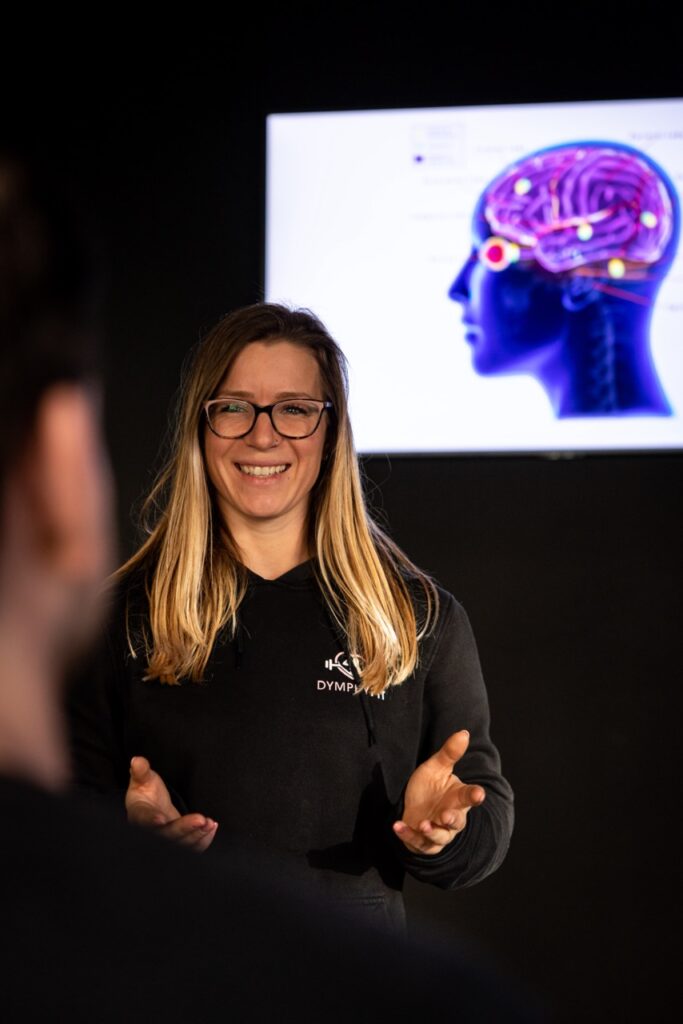
Dymphy has been a fitness enthousiast since 2008 and has been working as a personal trainer since 2013. She knows better than anyone the mental challenges of “the couch magnet” where you prefer to sit on the couch after a long day at work rather than train or thoughts such as
“I can also have a nice glass of wine tonight instead of training.”
She is fascinated by the psychological and physiological principles that underlie this. In a nutshell:
Motion leads to emotion. You produce happiness hormones dopamine and endorphins. Exercise instantly makes you feel better!
She works with different methods to get you moving. Interested? Book your free trial session now.
Our expertise
Personal training for high performers IN AMSTERDAM OUD-WEST

Strength

Slim

Mom (to be)

Fundamentals (beginners)
