
The #1 Nutrition Principle: Embrace Minimally Processed Foods
Ever feel like good nutrition is just too complicated? With all the conflicting advice out there – “Red wine is better than white wine!” “Spinach is better than romaine!” “CRABS ARE EVIL!!” – it’s easy to get overwhelmed. If you’re looking for a simple, effective approach to improve your diet, try this ONE habit: Eat mostly (or at least more) minimally processed foods.
What are minimally processed foods?
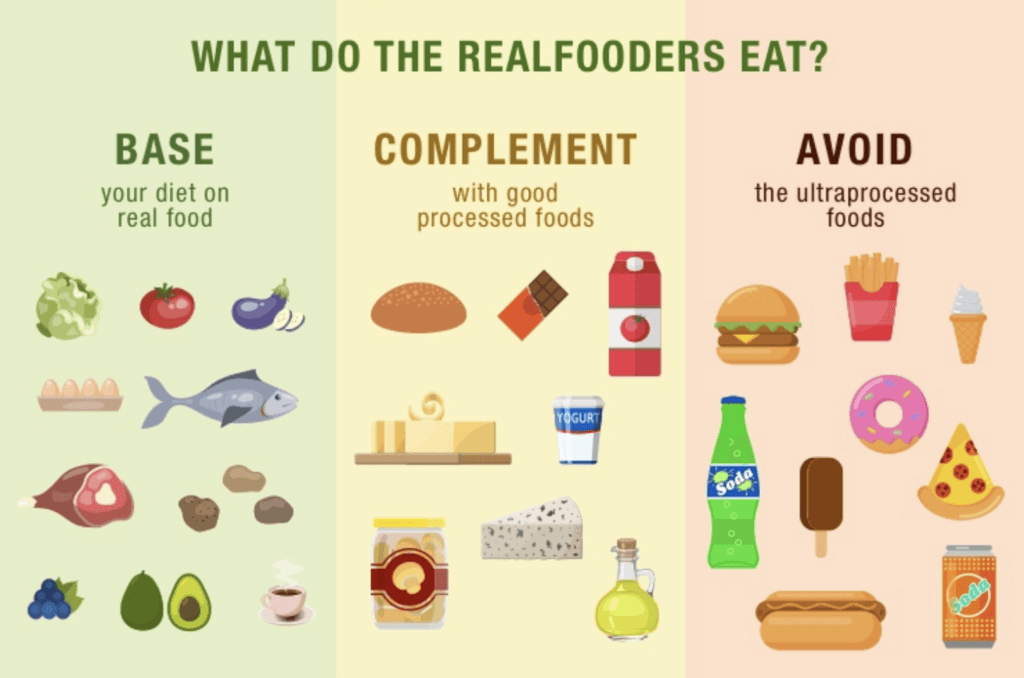
They’re foods that are close to how they’re found in nature. Does it come from the earth or have a mother? Whole foods like sweet potatoes, broccoli, chicken, and apples are great examples.
Why choose minimally processed foods over ultra-processed options?
Here are three compelling reasons:
- Nutritional Value: The greater the degree of processing, the more likely a food has lost essential nutrients (fiber, fatty acids, vitamins, minerals) and gained unhealthy additives (refined sugars, unhealthy fats, sodium, preservatives, and fillers).
- Health Benefits: Diets rich in minimally processed foods are linked to lower rates of heart disease, cancer, depression, and type 2 diabetes.
- Appetite Regulation: Minimally processed foods tend to be richer in fiber and protein, and lower in calories per volume, making it easier to manage your calorie intake.
The Science Behind It
A recent study by NIH researchers provides concrete evidence of the impact of food choices. In this study, 20 adults were admitted to a metabolic ward and randomly assigned to either an ultra-processed or minimally processed diet for two weeks, then switched to the alternative diet for another two weeks.
The results were striking: Participants consumed an average of 508 more calories per day and gained weight on the ultra-processed diet. Conversely, they lost weight on the minimally processed diet.

Finding Balance
While the benefits of minimally processed foods are clear, it’s important to note that it’s REALLY hard to eat ONLY whole foods. Instead of thinking in black and white terms, consider foods on a continuum. Most foods fall somewhere between “100% fake” and “fresh-from-the-dirt.”
A practical approach is the 80-20 rule: aim for 80% whole and minimally processed foods, and 20% of whatever you desire. For more ambitious performance or fat loss goals, you might adjust to a 90-10 ratio.
Remember, some processed foods can be beneficial. Whey protein powder, Greek yoghurt, and nut butter are all processed to some degree but can be part of a healthy diet. Even cooking, chopping, and blending are forms of processing.
The key is to avoid ultra-processed foods – think star-shaped cereal puffs, electric blue energy drinks, and anything shelf-stable for over a year. These items are often engineered to be overly delicious and easy to overeat.
Taking Action
Transitioning from a diet high in ultra-processed foods to one focused on minimally processed foods doesn’t have to happen overnight. Start by adding more minimally processed foods to your diet:
- Increase your intake of vegetables and fruits
- Incorporate more legumes and 100 percent whole grains
- Choose lean proteins
Don’t worry about cutting out ultra-processed foods right away. By focusing on adding healthier options, you’ll naturally begin to crowd out less nutritious choices.
Want to dive deeper? Check out “Hungry Brain: Outsmarting the Instincts That Make Us Overeat” by Stephan Guyenet for more insights on how nutrition affects our brain and why ultra-processed foods lead to overeating.
Remember, small changes can lead to significant improvements in your health and wellbeing. Start your journey towards a more minimally processed diet today!

Dymphy has been a fitness enthousiast since 2008 and has been working as a personal trainer since 2013. She knows better than anyone the mental challenges of “the couch magnet” where you prefer to sit on the couch after a long day at work rather than train or thoughts such as
“I can also have a nice glass of wine tonight instead of training.”
She is fascinated by the psychological and physiological principles that underlie this. In a nutshell:
Motion leads to emotion. You produce happiness hormones dopamine and endorphins. Exercise instantly makes you feel better!
She works with different methods to get you moving. Interested? Book your free trial session now.
Our expertise
Personal training for high performers IN AMSTERDAM OUD-WEST

Strength

Slim

Mom (to be)

Fundamentals (beginners)
