
How to Stay Fit During the Holidays
The holiday season is warm, joyful and full of celebration. It is also a time when routines shift, gym schedules change and indulgent dinners seem to appear every other day. Two days of feasting will not undo your progress, but several weeks of unstructured eating, drinking and skipped workouts can leave you feeling sluggish and disconnected from your body.
With the right mindset, a bit of planning and a few supportive daily habits, you can enjoy the season to the fullest while still feeling strong, energised and in control.
Mindset First: Move Away From Black-and-White Thinking
The biggest holiday trap is the all-or-nothing mindset. The belief that if you cannot train three times per week for sixty minutes, you have failed. Or that if you drink wine twice in one week, the whole week is ruined.
Instead, use a flexible three-point scale: poor, good and excellent. This simple framework helps you stay accountable while leaving room for real life.
For example, if you normally train three times per week for one hour, your holiday expectations could look like this:
- Poor: one workout per week of 20 to 60 minutes
- Good: two workouts per week of 20 to 60 minutes
- Excellent: three workouts per week of 20 to 60 minutes
This approach reduces pressure and keeps consistency alive. Even two shorter workouts still count. What feels right in terms of training frequency and volume is personal and may vary from person to person.
Alcohol: Apply the Same Flexible Strategy
You can use the same three-point scale for holiday drinking. Many people lose their rhythm because drinks show up at dinners, brunches, parties and family gatherings. Instead of going in blindly, decide beforehand what feels comfortable for your body and your goals.
For example, if you normally drink twice per week, one to three glasses each time, your holiday plan might look like this:
- Poor: five or more drinking occasions with three or more glasses each time
- Good: three to four drinking occasions, one to four glasses each, including one to two occasions with non-alcoholic drinks
- Excellent: one to two drinking occasions, one to four glasses each, with at least two occasions choosing non-alcoholic drinks
This structure creates clarity, control and peace of mind, without restriction or guilt.

Nutrition Principles to Feel Your Best
Use these simple, science-backed habits to support energy levels, digestion and appetite regulation.
- Start the day strong with either a nutritious breakfast or a light fasting window
- Aim for 30 to 50 grams of protein per meal
- Add plenty of vegetables and fruits to breakfast and lunch
- Snack mindfully with fruit, yoghurt or protein-rich options
- Before big festive dinners, nourish your body with foods like eggs, salmon, salads, fruits and quark
- Avoid arriving at dinner extremely hungry, as stable blood sugar helps prevent overeating
Hydration Principles to Support Digestion and Energy
During the holidays, hydration is often overlooked. Alcohol intake may increase, meals tend to be saltier and days are longer and more social. Even mild dehydration can increase fatigue, cravings and headaches, and make it harder to regulate appetite and energy.
Simple hydration habits can make a noticeable difference:
- Choose water or sparkling water during holiday dinners to support digestion and naturally reduce alcohol intake
- Make water feel festive by adding lemon, mint, ginger, orange slices or berries
- Experiment with non-alcoholic wines and beers if that supports balance without restriction
- Hydrate consistently throughout the day, not just around meals, to support metabolism, focus and hunger regulation
Training Tips to Stay Active and Energised
Movement plays a key role in regulating appetite, improving mood and helping you feel grounded during busy holiday weeks. Plan your workouts ahead of time. Put them in your calendar and treat them as non-negotiable appointments with yourself.
Ideas for staying active during the holidays:
- Go for a 20 to 40 minute run on Christmas morning
- Train at Gym Base; we are open around Christmas and New Year to keep you moving!
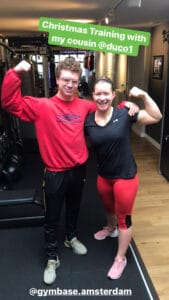
- Do a family home workout for fun and connection. A personal tradition: for the past seven years, my cousin Duco and I have trained together every Christmas. Even when schedules are full, this ritual keeps us energised, connected and consistent.
- Take long winter walks together. One of the simplest and most effective habits is taking a long walk after festive meals. Walking supports digestion, improves blood glucose regulation, lowers stress hormones and strengthens social connection. A slow winter walk is both scientifically effective and deeply restorative. A personal tradition: during our family Christmas meal before the dessert we go out for a walk to rate our neighbours’ Christmas decoration from a scale from 1 to 10. With bonus points for cringiness!
Small workouts maintain momentum. You don’t need perfection, just consistency.
Final Thoughts
The holidays are about joy, connection and celebration. With a flexible mindset, smart nutrition choices, realistic training goals and gentle structure, you can enjoy everything the season brings without losing your sense of wellbeing.
Focus on maintenance. Schedule your movement. Nourish your body. Hydrate well. Enjoy each celebration fully. And then when January arrives, your momentum will still be there. On the nutrition side, by that time, you might feel like you could use an extra push with the 30 Day No Sugar and Alcohol Challenge! We got you!
Let the holidays be both joyful and energising. You deserve both! Happy holidays!
Warm wishes,
Team Dymphy Fit
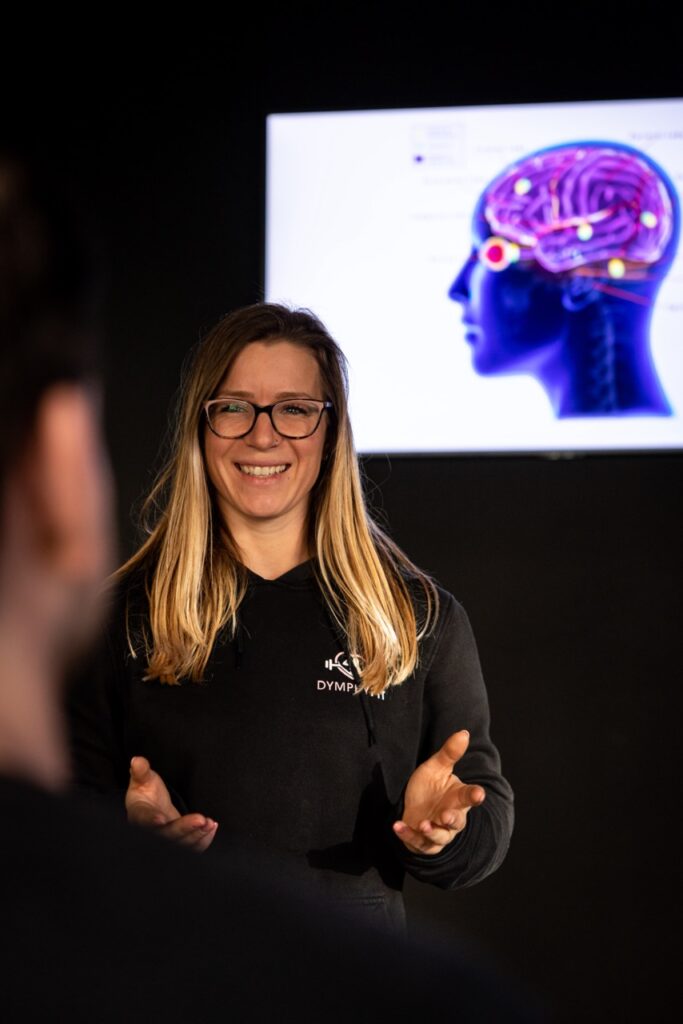
Dymphy has been a fitness enthousiast since 2008 and has been working as a personal trainer since 2013. She knows better than anyone the mental challenges of “the couch magnet” where you prefer to sit on the couch after a long day at work rather than train or thoughts such as
“I can also have a nice glass of wine tonight instead of training.”
She is fascinated by the psychological and physiological principles that underlie this. In a nutshell:
Motion leads to emotion. You produce happiness hormones dopamine and endorphins. Exercise instantly makes you feel better!
She works with different methods to get you moving. Interested? Book your free trial session now.
Our expertise
Personal training for high performers IN AMSTERDAM OUD-WEST

Strength

Slim

Mom (to be)

Fundamentals (beginners)
