

Training with Your Menstrual Cycle: Optimizing Performance
Imagine your body as a sophisticated orchestra where hormones are the conductors, directing the tempo and intensity of your performance. For women, this orchestra plays a monthly symphony known as the menstrual cycle—a biological rhythm that influences strength, endurance, recovery, and even injury risk.
For decades, this powerful physiological process has been treated as irrelevant to athletic performance, or worse, as an inconvenience to be ignored. But what if understanding your cycle could be the key to unlocking your full athletic potential?
This guide isn’t just for women. Coaches, training partners, and male athletes who work with female athletes can benefit immensely from understanding these natural fluctuations. Just as a sailing crew needs to understand shifting winds to navigate efficiently, anyone coaching or training with women needs to appreciate how hormonal changes affect performance and recovery.
By learning to work with your body’s natural rhythms rather than fighting against them, you can transform what might have felt like a monthly obstacle into a strategic advantage. Think of it as having access to your body’s internal training calendar—knowing when to push hard, when to focus on technique, and when to prioritize recovery based on biological cues rather than arbitrary training schedules.
Whether you’re a competitive athlete or someone who exercises for health and wellbeing, this knowledge can help you train smarter, recover faster, and perform better throughout your cycle. Train with your menstrual cycle for optimal performance!
The Menstrual Cycle Explained
The menstrual cycle is a periodic change in the body of reproductive-age women between puberty and menopause. Its primary function is egg maturation and preparing the body for possible pregnancy.
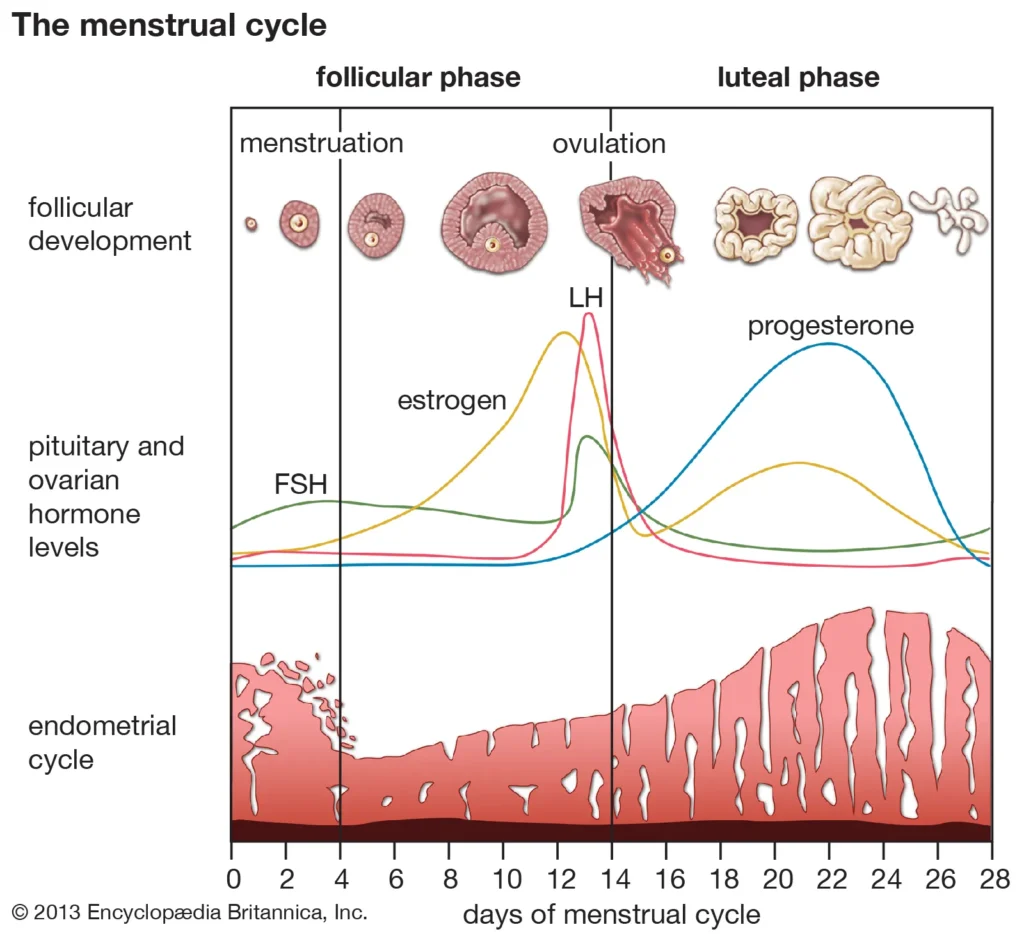
The average menstrual cycle lasts 28 days but can vary between 21 and 40 days. The cycle consists of three phases:
- Follicular Phase: From menstruation until ovulation. The length is variable.
- Ovulation Phase: The fertility phase. Lasts 24-48 hours.
- Luteal Phase: From ovulation until the next menstruation. Usually lasts 13-15 days.
Hormones such as estrogen and progesterone fluctuate throughout the cycle and influence both physical performance and overall energy levels.
Estrogen is the anabolic hormone for women. It affects muscle cell turnover and protein synthesis (muscle growth). Progesterone is the catabolic hormone that uses energy and amino acids to build the endometrium.
Hormonal Changes and Athletic Performance
Low-Hormone Phase (Menstruation and Early Follicular Phase)
In this phase, many women feel stronger, recover faster, and perform better in strength training. Heart Rate Variability (HRV) is highest because the body doesn’t need to prepare for potential pregnancy. During this phase, a female body most resembles a male body in terms of training, nutrition, and thermoregulation. Research with swimmers shows that performance is often best during menstruation and worst in the premenstrual phase.
Think of this phase as driving a high-performance sports car on an open highway—your body is primed for power and speed, with systems running at optimal efficiency.
High-Hormone Phase (Luteal Phase)
Recovery measurements like heart rate variability (HRV) are lower than in the follicular phase. This is due to changes in the autonomic nervous system, where the sympathetic system becomes more active, leading to a higher resting heart rate and increased respiratory rate. Many sports watches and activity trackers don’t account for hormonal fluctuations and may incorrectly indicate low recovery status. Strength building is more challenging because progesterone promotes muscle breakdown.
During this phase, your body is more like an off-road vehicle—still powerful but designed for different terrain. You may need to adjust your expectations and approach, but you can still reach your destination effectively.
However, this doesn’t mean you won’t recover or that your performance will necessarily suffer from hormonal fluctuations. By working smartly with your physiology, you can minimize these effects and support your recovery.
Physiological Effects of the Cycle
During the luteal, high-hormone phase, the female body undergoes six significant physiological changes that can affect athletic performance and recovery. Understanding these changes allows you to adjust your training and nutrition strategies accordingly.
1. Blood Volume and Fluid Balance
- Estrogen and progesterone influence fluid regulation and can cause fluid retention. This leads to a bloated feeling and a decrease in blood plasma volume of up to 8%.
- Lower blood volume means blood becomes thicker, requiring the heart to work harder to transport oxygen. This can make training feel more difficult.
Just as a car needs the right amount of oil to run smoothly, your body needs the right blood volume for optimal performance.
2. Heat Regulation
- Progesterone raises body temperature during the luteal phase, making women feel warmer.
- Sweating begins later, making the body less efficient at cooling down. This increases the risk of overheating and dehydration, especially during endurance sports.
- Extra fluid and sodium intake before exercise helps reduce this effect.
Imagine your body’s cooling system being recalibrated—the thermostat is set higher, so the fans start later, potentially leading to overheating if you don’t compensate.
3. Muscle Cramps
- Prostaglandins, which help shed the uterine lining, cause uterine contractions. This leads to menstrual cramps that can affect athletic performance.
- Magnesium, omega-3 fatty acids, and low doses of aspirin can reduce the severity of cramps.
4. Iron Deficiency and Anemia
- Women with heavy menstruation have an increased risk of iron deficiency, which can lead to fatigue, shortness of breath, and reduced oxygen supply to muscles.
- Iron-rich food and supplementation can help prevent this deficiency.
Iron functions like the oxygen carrier in your bloodstream—without enough of it, it’s like trying to fuel a fire with limited air.
5. Changes in Metabolism and Nutritional Needs
- In the luteal phase, metabolism increases by 5-10%, leading to an increased calorie requirement (100-300 extra kcal per day; for athletes 300-400 kcal).
- The body uses carbohydrates less efficiently, making extra intake necessary for intensive training.
- Women more often crave carbohydrates and sweets because hormonal fluctuations affect carbohydrate storage.
- During the luteal phase, women benefit from increasing their protein intake due to higher metabolic demands and increased amino acid breakdown during this period. The body prepares for a possible pregnancy: the uterine lining (endometrium) thickens, requiring more amino acids. Additionally, progesterone levels are higher, which can lead to greater protein breakdown and reduced muscle protein synthesis. Increase protein intake in the luteal phase by 10-15%. For active women, this usually means at least 1.8 to 2.2 grams of protein per kilogram of body weight.
This metabolic shift is similar to upgrading your car’s engine—suddenly you’re burning more fuel for the same journey.
6. Mental Effects and Fatigue
- Hormonal fluctuations affect the hypothalamus, which impacts the autonomic nervous system (heart rate, breathing, digestion) and the limbic system (emotion and stress regulation).
- This can lead to increased fatigue, lower energy levels, and mood swings.
- Leucine and other essential amino acids can help reduce central fatigue.
Think of your nervous system like a computer’s operating system—hormonal changes can temporarily alter how efficiently it processes information and regulates your body’s functions.
Performance During Important Events
Research on female athletes show that even though they experienced hormonal fluctuations during their cycle, they actually didn’t adjust their training intensity and volume throughout their periodisation in training. When competing performance is also often barely affected:
- Despite hormonal fluctuations, there is no ‘bad’ day to achieve a PR. Mental preparation and training play a larger role than hormonal influences.
- Research shows that endurance performance is not significantly affected by the cycle. However, reaction time, neuromuscular coordination, and manual dexterity may decrease slightly in the premenstrual and menstruation phases, which can affect sports like tennis and soccer.
- A well-known case is Paula Radcliffe, who set a world record in the marathon during her menstruation.
Managing Hormonal Effects and Inflammation
During the high-hormone phase (luteal phase), you can actively take measures to counter systemic inflammation and performance-disrupting effects:
- Foods rich in anti-inflammatory fatty acids: DHA and EPA (omega-3 fatty acids) help reduce inflammation-promoting prostaglandins. Take 2 grams of omega-3 fatty acids (fish oil) daily.
- Magnesium and zinc: Support the immune system and help reduce inflammatory responses. Supplement with 250 mg of magnesium and 45 mg of zinc daily.
- Baby aspirin (if not contraindicated): Can help lower prostaglandins that cause cramps and inflammation. Take 80 mg of baby aspirin as needed.
For maximum effectiveness, take these supplements each night before bed starting 7 days before your period is expected to begin.
By combining these nutritional strategies with a smart approach to training and recovery, you can limit the negative effects of the high-hormone phase and continue to perform optimally.
Manipulating the Menstrual Cycle
Some athletes use hormonal contraception to regulate their cycle. However, this can reduce adaptations to training and mask signs of low energy availability (LEA) or Relative Energy Deficiency in Sport (RED-S), see more information below. It’s like installing a governor on your car’s engine—it may provide consistency but could limit your peak performance potential.
Local methods such as an IUD or vaginal ring have less impact on training and performance.
Role of the Pill
If you’re taking hormonal contraceptives, consider the timing of your dose. Taking the pill after training rather than in the morning—preferably in the evening—can help optimize its effects alongside your workout regimen. The most important factor is consistency in timing, regardless of when you choose to take it.
Research suggests that women tend to be strongest and most physically resilient during the first five days of their pill pack and during the final days before starting a new pack. You may want to schedule your most challenging workouts during these windows to take advantage of these potential performance benefits.
RED-S: Relative Energy Deficiency in Sport
RED-S is a condition that arises from a chronic shortage of energy intake relative to energy expenditure. This particularly affects female athletes and can have serious consequences for hormonal balance, bone health, digestion, immune system, and athletic performance.
Symptoms of RED-S
- Irregular or absent menstruation
- Fatigue and decreased athletic performance
- Increased risk of injuries and stress fractures
- Muscle loss and delayed recovery
- Persistent low HRV and increased resting heart rate
RED-S is like running your car on empty—you might keep going for a while, but eventually, systems start to shut down to conserve energy.
Prevention and Approach to RED-S
- Ensure a sufficiently high energy intake, especially in the luteal phase when metabolism is increased.
- Follow a periodized nutrition plan with adequate proteins, healthy fats, and carbohydrates.
- Monitor your menstrual cycle as an indicator of hormonal health.
- Work with a sports dietitian or coach to optimize your energy intake and training load.
Action Plan: Optimal Performance in the High-Hormone Phase
During the luteal phase, certain adjustments can help you maximize your energy level, recovery, and training results:
1. Increase Protein Intake
- During this phase, muscle tissue breakdown is increased due to the influence of progesterone. Ensure your protein intake is sufficiently high, focusing on leucine-rich sources such as whey protein, eggs, chicken, and plant-based options like spirulina, oatmeal, legumes, quinoa, nuts, and seeds.
- Aim for 30-50 grams of protein per meal. For example, 125+ grams of meat, fish, or poultry; 4 eggs; or 350+ grams of quark or Skyr.
- Vegan protein options:
- 2 scoops vegan protein powder (30 g per scoop)
- Protein: 40 g
- Leucine: ~3.0 g
- 100 g tempeh + 100 g cooked soybeans
- Protein: 35.6 g
- Leucine: 4.4 g
- 50 g oatmeal + 20 g almonds + 10 g chia seeds + 1 scoop vegan protein powder
- Protein: 35 g
- Leucine: ~3.1 g
- Buddha bowl (vegetarian): 100 g quinoa + 150 g cooked chickpeas + 150 g broccoli + 20 g pumpkin seeds
- Protein: ~33 g
- Leucine: ~2.9 g
- 2 scoops vegan protein powder (30 g per scoop)
Think of protein as the building blocks your body needs for repair—during the luteal phase, you’re losing more blocks than usual, so you need to supply more to maintain the structure.
2. Extra Carbohydrates for Energy and Recovery
- In the luteal phase, your body consumes more carbohydrates and uses glycogen less efficiently. To prevent energy deficiency, increase your carbohydrate intake, especially around workouts.
- Focus on complex carbohydrates such as sweet potatoes, quinoa, and whole grains, and avoid large peaks and valleys in blood sugar levels.
- Therefore, increasing protein and carbohydrate intake is key to success: eat 100-300 more calories per day in the luteal phase.
If your body is a car, carbohydrates are the fuel—and during the luteal phase, your engine needs more fuel to travel the same distance.
3. Support Hydration and Electrolyte Balance
- Due to hormonal changes, fluid balance is less stable, and the risk of dehydration and electrolyte loss is greater.
- Drink sufficient water (2 liters or more) and when doing 90+ minutes of cardio, add extra electrolytes to your water, especially during intensive workouts or sports in a warm environment.
4. Adjustments in Training Intensity and Rest Periods
- During the luteal phase, your body may struggle more with heavy training sessions and intensive effort. Therefore, plan your heaviest workouts during the follicular phase and take slightly more recovery time in the luteal phase.
- Focus on strength training with relatively lower weights (70-90% of normal resistance) or more repetitions, or choose stability and mobility training. Consistency is more important than progression in the luteal phase. Struggling with consistency? Here’s how to make fitness stick.
This is like driving the same route but adjusting your speed based on road conditions—sometimes going slower actually gets you to your destination more efficiently.
5. Optimize Sleep and Stress Management
- The high hormone levels in this phase can affect sleep quality. Maintain a regular sleep schedule, avoid screen use before bedtime, and support your sleep with magnesium supplementation or relaxation techniques such as breathing exercises.
- Mindfulness, meditation, and yoga can help activate the parasympathetic nervous system and increase HRV.
Sleep is your body’s maintenance period—just as a mechanic needs time to service a vehicle, your body needs quality sleep to repair and optimize its systems. Learn 6 tips for better sleep in our blog.
Tracking the Menstrual Cycle
The duration of the follicular phase can vary. By measuring your temperature, you can determine when you’re ovulating: temperature drops 0.5 degrees and then rises 0.5 degrees. And when you’re in the luteal phase: then your temperature rises 0.2 to 0.5 degrees.
How can you track the menstrual cycle? There are various apps with different purposes. Menstruation tracking apps aimed at pregnancy or performance improvement.
For pregnancy or contraception:
- Daysy Day
- Flo app
- My Calendar
- Clue
For performance improvement:
- Fitr Woman
- WILD.AI
- Lively
Performance and menstruation vary greatly per person. These apps support what you feel. There isn’t enough science about female menstruation yet, making it important to continue trusting your feelings.
Tracking your cycle is like having a personalized weather forecast for your body—it helps you prepare for what’s coming and plan accordingly.
Conclusion
Every woman experiences her cycle differently. Hormonal fluctuations can influence performance, recovery, and overall well-being, but by applying smart strategies, you can minimize these effects. By tracking your cycle and sports performance, you can recognize patterns and adjust your training accordingly. With proper nutrition, hydration, recovery strategies, and adjustments to training during the different phases of the cycle, women can perform optimally in ANY phase of their cycle.
By consciously working with female physiology, women can training with their menstrual cycle for optimal athletic performance at the highest level, regardless of which phase of the cycle they are in.

Dymphy has been a fitness enthousiast since 2008 and has been working as a personal trainer since 2013. She knows better than anyone the mental challenges of “the couch magnet” where you prefer to sit on the couch after a long day at work rather than train or thoughts such as
“I can also have a nice glass of wine tonight instead of training.”
She is fascinated by the psychological and physiological principles that underlie this. In a nutshell:
Motion leads to emotion. You produce happiness hormones dopamine and endorphins. Exercise instantly makes you feel better!
She works with different methods to get you moving. Interested? Book your free trial session now.
Our expertise
Personal training for high performers IN AMSTERDAM OUD-WEST

Strength

Slim

Mom (to be)

Fundamentals (beginners)
